
(RNS) — Budgets reveal our values. They tell us what we fear, what we protect and what kind of future we are willing to build.
As lawmakers begin work on funding international programs for the coming year, they face a choice that reaches far beyond budget spreadsheets. At a time when families are struggling with rising costs, wars continue to destabilize entire regions, and climate disruption is displacing millions, Congress can either deepen our dependence on the systems driving insecurity or invest in a more peaceful, resilient future.
For years, advocates have argued that renewable energy is essential for addressing climate change. As a Quaker, I believe caring for creation and our neighbors is a sacred responsibility — one that people of many faiths share. But beyond environmental stewardship, recent events have made it clear that renewable energy is also about human dignity, economic security and peace, helping to address some of the conditions that give rise to conflict in the first place.
The ongoing disruption of shipping through the Strait of Hormuz offers a stark reminder of how deeply the global economy remains tied to fossil fuels. Roughly one-third of globally traded oil and a significant share of fertilizer inputs move through this narrow waterway. Since conflict in the region intensified, shipping disruptions have mounted, resulting in significant energy market volatility and skyrocketing costs of fuel and essential goods around the world.
For families already struggling to make ends meet, especially in lower-income countries, these disruptions are not abstract economic indicators. They mean higher food prices, energy rationing, shrinking household budgets and difficult choices between necessities. Communities facing hunger become more vulnerable to instability and displacement. As the International Monetary Fund warns, disruptions to fertilizer shipments through the Strait of Hormuz are increasing concerns about global food prices, threatening food security for millions of people already facing hunger and economic hardship.
The effects are not hypothetical. Recent reports have shown that fertilizer prices have surged following disruptions linked to the Strait of Hormuz, with urea prices increasing by more than 50%. Farmers are facing higher input costs, and those increases inevitably ripple through the food system.
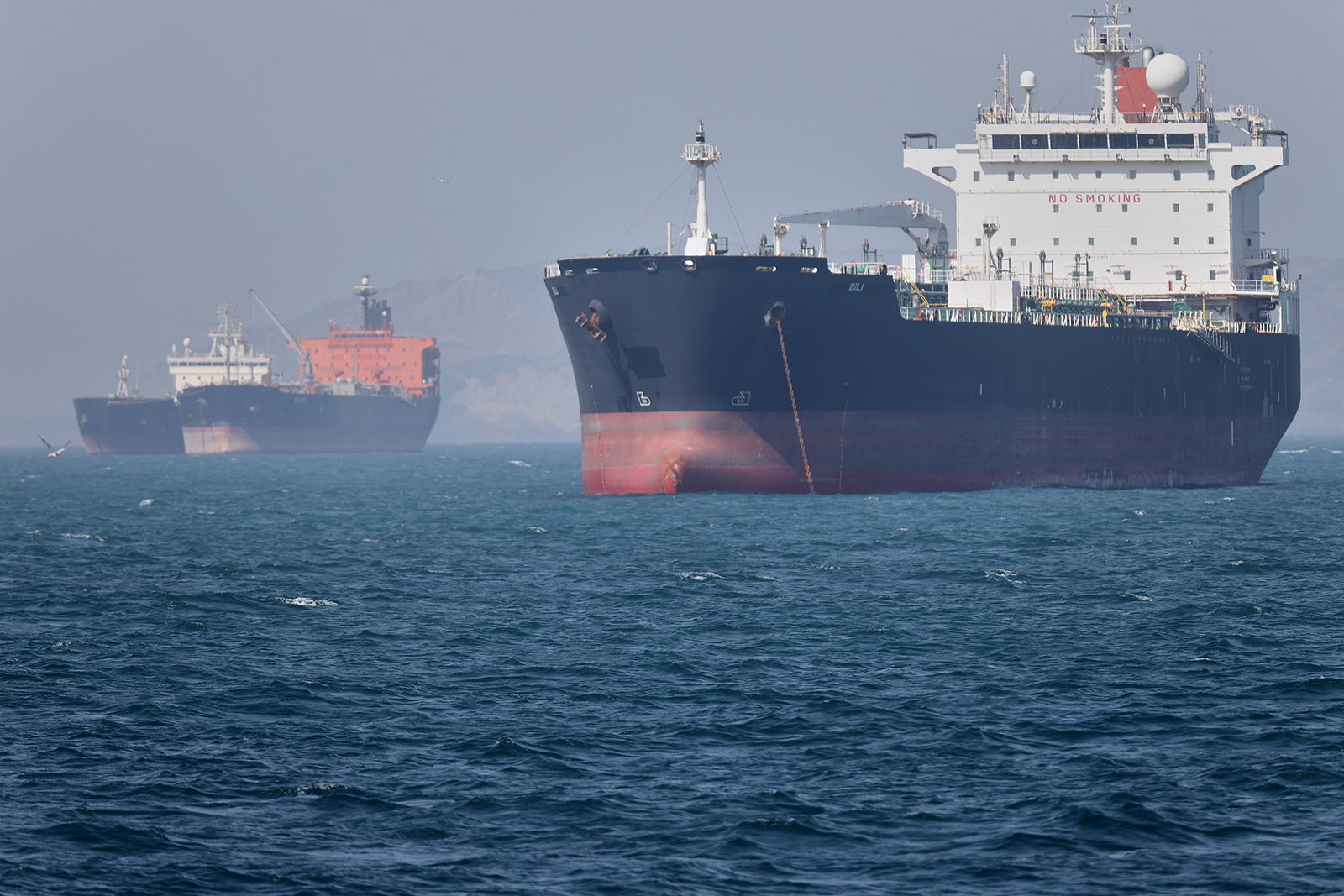
Oil tankers sit at anchor offshore in the Strait of Hormuz off Bandar Abbas, Iran, Saturday, May 2, 2026. (Amirhosein Khorgooi/ISNA via AP)
American families feel these impacts quickly. When oil prices rise, it costs more to transport food from farms to grocery stores, increasing totals at the checkout counter. When fertilizer prices climb, farmers pay more to grow crops that feed people and livestock, intensifying cost-of-living pressures around the world as consumers bear the brunt of these changes at the cash register. Ordinary families are being asked to carry the costs of an energy system that enriches a few while leaving communities everywhere vulnerable to conflict, instability and rising prices.
This is precisely why renewable energy investments matter.
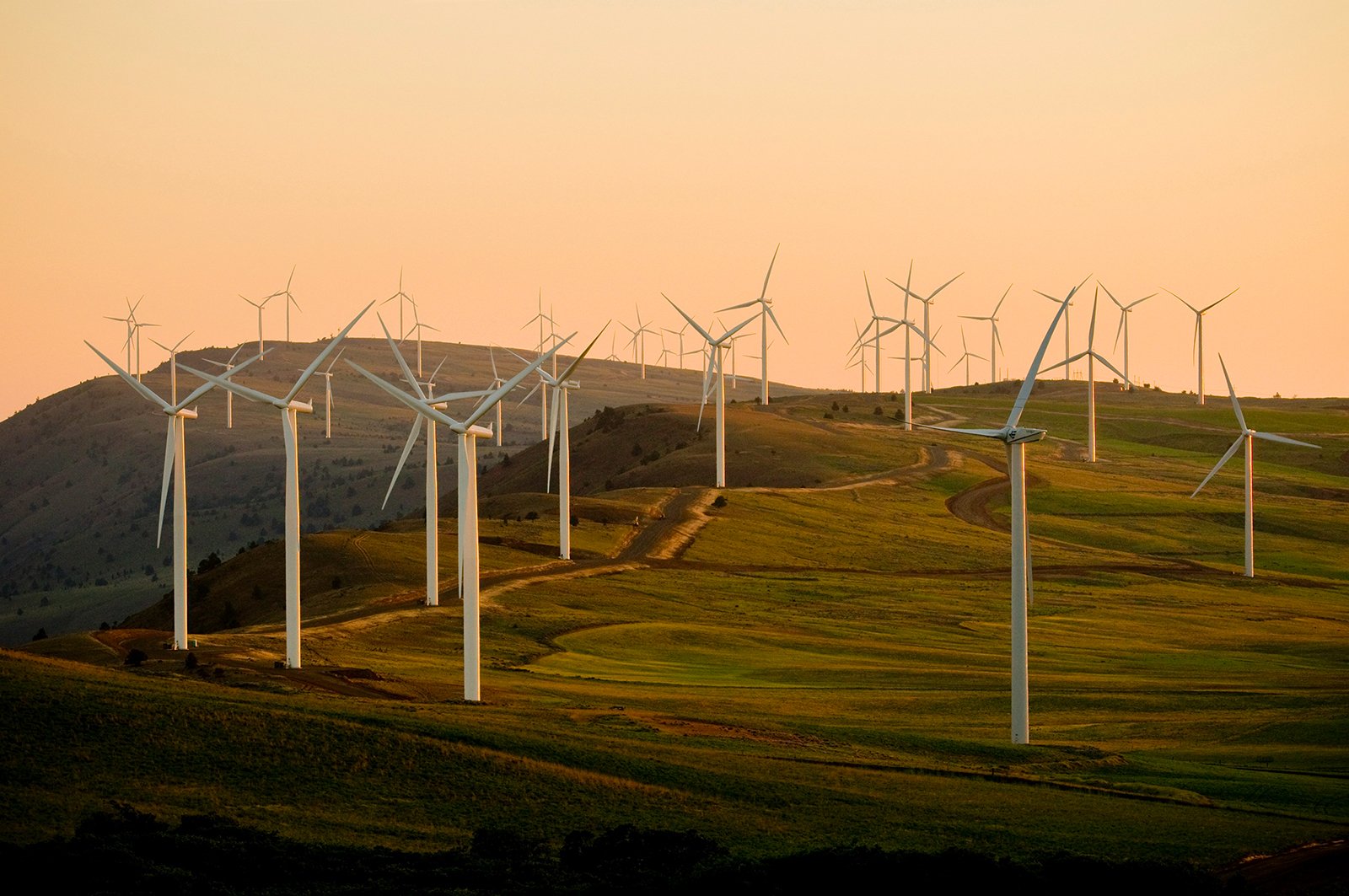
Every solar panel installed, wind farm built, battery deployed and efficiency upgrade completed helps reduce dependence on the volatile fossil fuel markets that leave families and nations vulnerable to distant conflicts and economic shocks. Unlike oil and gas, renewable energy does not rely on tankers passing through geopolitical chokepoints or supply chains disrupted by war. Once in place, renewable energy can provide affordable, predictable power that helps shield households, businesses and entire communities from future price spikes.
International renewable energy programs funded through the State, Foreign Operations and Related Programs bill are especially important because they help communities build that resilience for themselves. These investments expand access to reliable electricity, strengthen energy security, reduce dependence on imported fossil fuels and create new economic opportunities. They also improve public health, strengthen relationships with U.S. partners and help address some of the underlying conditions that fuel instability and conflict.
The transition to cleaner energy is already underway. The International Energy Agency reports that global investment in clean energy technologies, grids, storage, efficiency and electrification now exceeds investments in fossil fuels by roughly 2 to 1. The question is not whether the world will move toward cleaner and more secure energy systems. It must and already is. The question is whether the United States will join that future or obstruct it.
The decisions Congress makes today will not only shape our lives; they will determine what kind of economy and society we leave to future generations. Investing in renewable energy now can help shield families from the economic shocks that accompany fossil fuel dependence. Communities around the world will have access to reliable and affordable electricity that is generated locally rather than imported through fragile supply chains. Farmers will benefit from more stable energy costs, businesses will be better protected from fuel price shocks and families will spend less of their household income on unpredictable energy expenses.
Such investments also help reduce competition over scarce resources, support greater stability in developing countries and address conditions that contribute to conflict, displacement, humanitarian crises and forced migration. Just as previous generations invested in roads, bridges and electrical grids that continue to serve us today, we have an opportunity to invest in the energy infrastructure of the future.
For people of faith, this is also about what we owe one another and the world that connects us all. Scripture calls us to be good stewards of creation and to love our neighbors. As fossil fuel dependence continues to fuel instability, inflation and human suffering in real time, renewable energy investments represent a practical expression of that stewardship and care for our neighbors.
Congress should protect and strengthen international renewable energy funding in FY27 State, Foreign Operations, and Related Programs bill negotiations—the impacts of which will echo for generations. We can continue tying our future to the volatility of fossil fuels and the conflicts that accompany them, or we can help build a world powered by resilience, shared prosperity and peace. The choice couldn’t be clearer.
(Bridget Moix is the general secretary of the Friends Committee on National Legislation and leads two other Quaker organizations, Friends Place on Capitol Hill and the FCNL Education Fund. The views expressed in this commentary do not necessarily reflect those of Religion News Service.)
