

Across New York, elderly and medically fragile patients sit in hospital beds for days — sometimes weeks — not because they need acute care, but because nursing homes cannot afford to take them under current Medicaid rates. Families wait anxiously, hospitals back up, and staff are stretched to the breaking point. This chronic underfunding is eroding the dignity of aging and straining the health care system.
On Jan. 12, Modern Healthcare published confirmation of what providers have warned for years: low Medicaid reimbursement rates are slowing hospital discharges, forcing nursing homes to limit Medicaid patients and creating system-wide bottlenecks.
State data and hospital administrators confirm the impact is growing worse. Delayed discharges now account for thousands of excess hospital bed days each month, driving up costs and limiting capacity during flu season, COVID surges, and other public health emergencies. What was once a slow squeeze has become an acute system failure for patients statewide.
New York is at the center of this crisis. According to the New York State Health Facilities Association and providers, Medicaid covers 85% of nursing home residents statewide — compared with about 63% nationally. Yet Medicaid reimbursement covers only 75–80% of the actual cost of care.
Scott LaRue, CEO of ArchCare — a nonprofit operating seven nursing homes in New York — puts it plainly in the Modern Healthcare article: “The only way to survive is to get more fee-for-service Medicare patients into the building.” Even mission-driven nonprofits like ArchCare have had to reduce long-term Medicaid beds to stay viable.
The consequences ripple far beyond nursing homes: hospitals back up, emergency rooms grow crowded, elective procedures are delayed, and costs rise as patients remain in high-acuity beds longer than necessary. Families are left in limbo, facing longer stays, higher complication risks, and fewer choices. Rural communities feel the strain acutely, with hospitals sometimes holding patients for days because local nursing homes are full. Urban areas like Queens and the Bronx are not immune, where families scramble to find available beds.
The New York Coalition for Dignity in Aging shows this is statewide: hundreds of facilities, tens of thousands of residents, and thousands of staff are affected.
Stephen Hanse, president & CEO of NYS Health Facilities Association states: “The availability of nursing home care is essential to ensuring access to hospital care for older adults and people who still need daily assistance. When nursing home beds are unavailable, patients who are ready to leave the hospital have nowhere to go. They stay in hospitals longer than necessary, families wait and worry, and seniors miss the rehabilitation and daily care that would help them recover. In short, as beds disappear, hospitals back up, costs rise, and patients pay the price.”
Underfunding nursing homes doesn’t save money — it shifts costs elsewhere into longer hospital stays, readmissions, crowded emergency rooms, and delayed care.
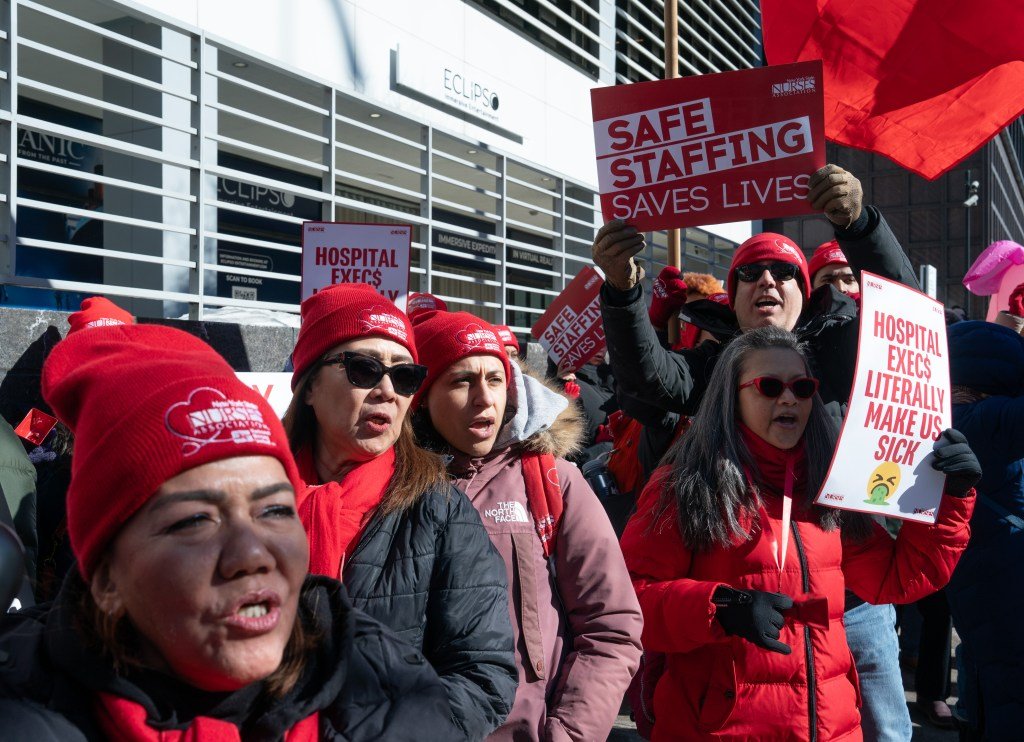
Nearly 15,000 nurses at major New York City hospitals have walked off the job — the largest nurses’ strike in city history — over staffing, safety, pay, and benefits. That walkout shows how workforce stress touches every part of the system: when Medicaid underfunds nursing homes and patients back up in hospitals, nurses bear the consequences with heavier workloads, unsafe staffing levels, and worsening burnout. Today’s picket lines highlight both a patient care and workforce crisis — two sides of the same strain on our health system.
The upcoming state budget gives Albany a choice: keep shortchanging nursing homes and let patients sit in hospitals with nowhere to go, or pay for care properly, support the staff who do the work, and make sure every New Yorker has access to high quality long term care.
Addabbo is a Queens state senator. Hevesi is a Queens assemblyman.
